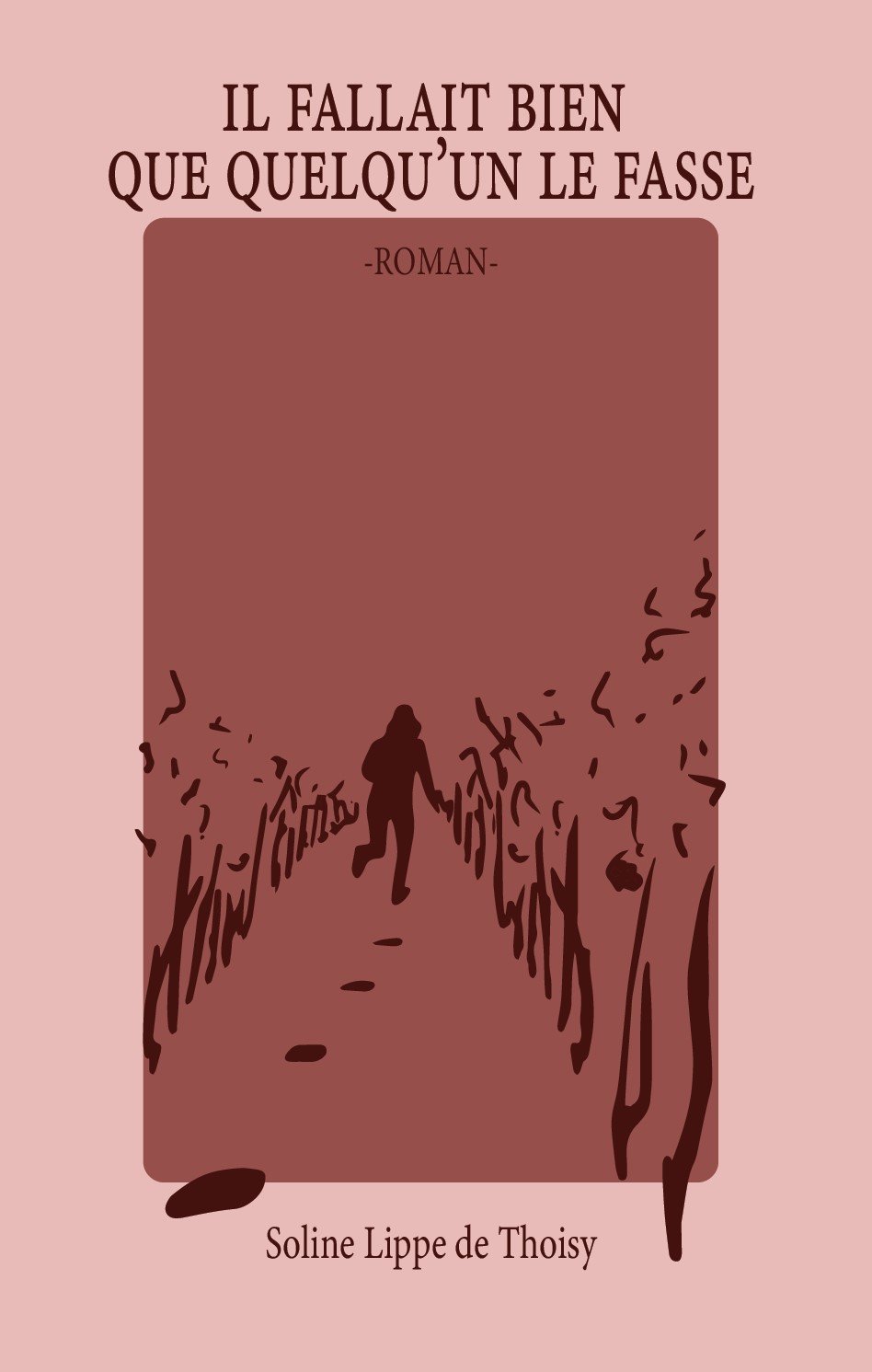
À l’arrière d’un taxi collectif, Élise fuit vers le bidonville d’Ocean View. Elle laisse derrière elle le corps gisant de Jaco, sa dernière victime.
Quelques mois plus tôt, alors directrice d’un vignoble en Afrique du Sud, Elise s’apprête à licencier le viticulteur qui a giflé une domestique. Le propriétaire du vignoble, un chatelain bordelais dont la fortune remonte à la traite négrière, l’en empêche. La domestique était insolente, justifie-t-il, et la gifle méritée. Une rage sourde envahit Élise. Ce même jour, elle reconnait épouvantée dans les traits d’un ami du propriétaire l’agresseur d’une étudiante, vingt ans plus tôt, sur le campus universitaire où vivait Élise.
Pour la jeune femme, c’en est trop. Elle quitte tout, entre dans la clandestinité et prend les armes. Portée par une vengeance insensée qu’elle endosse au nom de toutes les femmes, elle se lance dans une chasse folle de Stellenbosch aux quais de la Garonne.
Au juge qui la condamnera à la perpétuité pour meurtres et actes de barbarie, Élise répondra : “Il fallait bien que quelqu’un le fasse”.
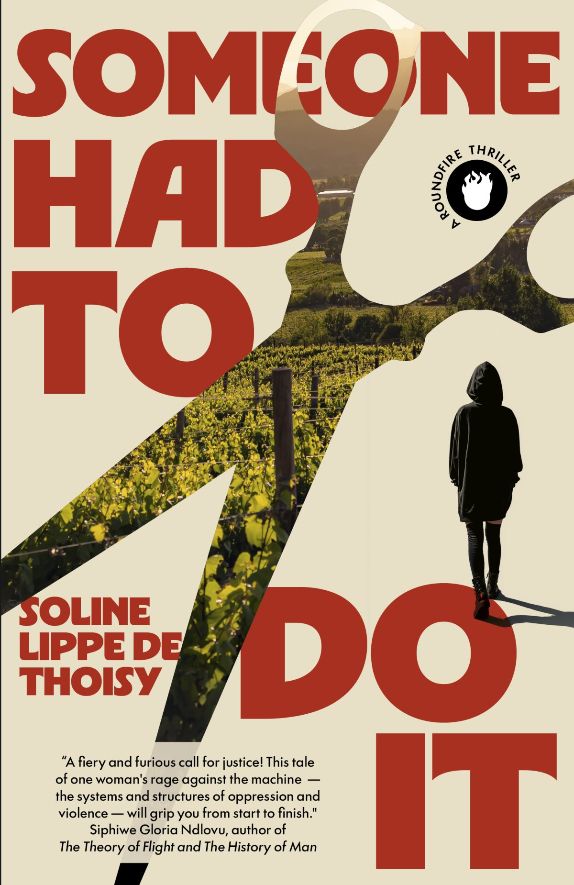
Someone had to do it
At the back of a taxi, Élise flees toward the Ocean View township. She leaves behind the lifeless body of Jaco—her latest victim. A few months earlier, Élise was managing a vineyard in South Africa. As she was about to fire the winemaker for slapping a domestic worker, the vineyard’s owner — a Saint Emilion chateau owner whose wealth traces back to the slave trade — stopped her. The domestic had been insolent, he claimed, and the slap was deserved. Élise boiled with rage. That same day, she recognizes, horrified, the face of one of the owner’s friends: the man assaulted a student twenty years ago on the university campus Élise lived and studied. For the young woman, this is the breaking point. She disappears underground and takes up arms. Driven by a furious, senseless thirst for justice she goes on a wild hunt from Stellenbosch to the banks of the Garonne in the name of all women. To the judge who, eight months and three murders later, sentences her to life in prison, Élise has one answer only: “Someone had to do it.”